Workforces of today and tomorrow will not be defined by whether humans or technology completes more of the work. They will be defined by how intentionally organisations combine both and prioritise humans in areas where human performance and judgment matter most.
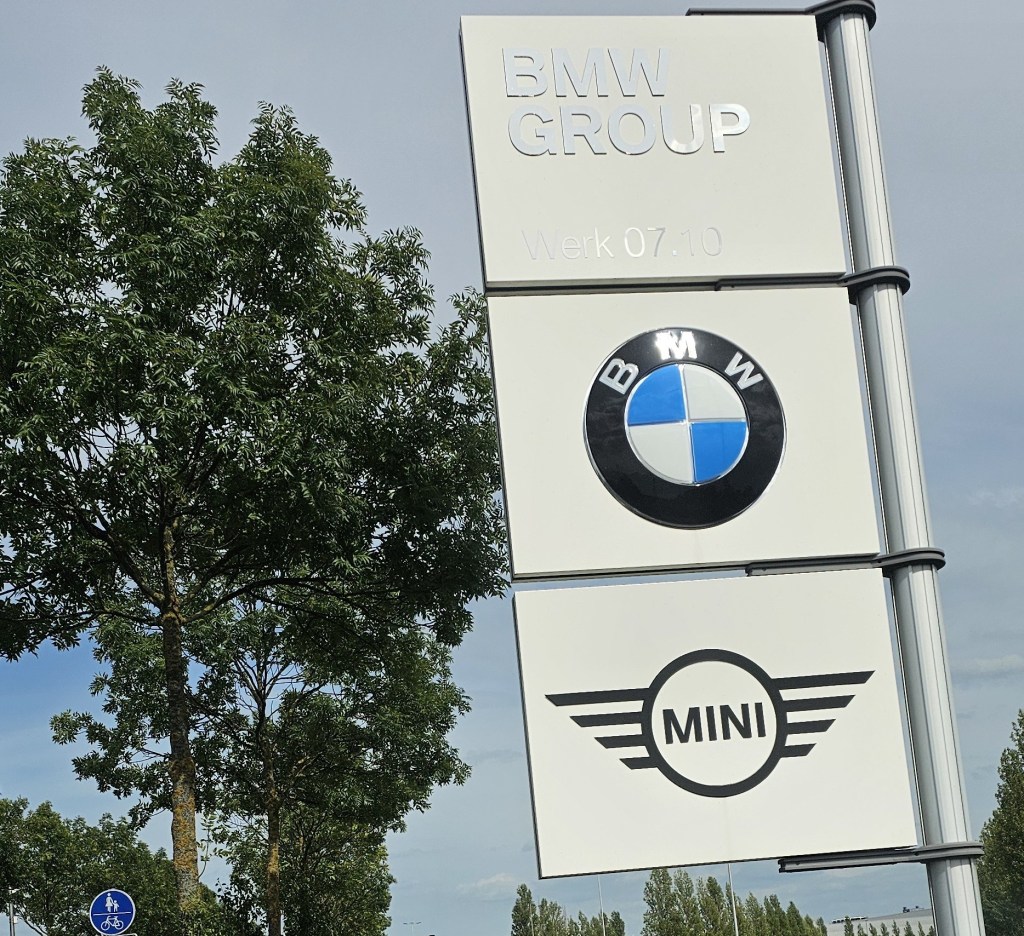
I recently did a private tour of the BMW plant in Leipzig, Germany. I knew the plant would provide a rich context for reflecting on how organisations can combine humans, automation, and robots as members of their workforce. Having toured BMW’s Munich factory in 2010, I had some idea of what I would be seeing.
This time, however, I took my children with me. It was an activity on our trip that excited them. They were keen to see “robots in action.” And the tour did not disappoint as we were surrounded by impressive robots and highly automated production processes. While my kids focused on the robots, I searched for “humans.”
Where were they?
And what work were they doing?
Were they doing the work or overseeing the robots and automation processes?
During the tour, we were told that, within certain parts of the production process, humans complete just 1% of the work. This immediately made me curious about what was contained within the Human 1% Club.
In the earlier parts of the tour, very few humans were on the production floor. We saw a few humans playing a “supportive” role involving giving the robot the required supplies/parts. Humans also played a “supervisory” role, overseeing the robot’s performance.
Of greater interest were instances where humans featured because the “quality” of the outcome mattered differently. This Human 1% Club focused on tasks technology could not complete to the appropriate/high enough standard, with one area centred on flexible cables and tight spaces. Humans were valued because they could perform consistently to a higher standard (albeit within a set time).
The Human 1% Club expanded significantly as the tour progressed, with robots and automation becoming less prevalent and humans more common. The end of the production was vastly human-centric, with pairs of humans ensuring that the car’s quality standards were met. Humans were responsible for the final checks.
I Had Seen the Human 1% Before- The Case of Automatic Reordering
The BMW plant tour reminded me of my own experiences working in FMCG’s and a case study discussed in Rethinking Talent Decisions (use code Talent for 30% discount). In retail, where human workers’ return on improved performance is marginal, automation can improve productivity and I was a Service Manager when a new just-in-time system was implemented. The new system automated product reordering. The software tracked sales and barcode data (think of the scanning process at the checkout) to capture product flow, known as stock levels. The software was programmed to place an order with suppliers when stock levels reached a predetermined level.
The new processes represented a new form of organisational design because it changed how and who completed the work. The work, in this case the task of ordering, shifted from humans to automation.
The transition, however, did not go without a hitch, and I remember the day that we, the human managers, and the automated reordering system came unstuck. It was the (NRL) football grand final day, a day when supermarkets sell more Coca-Cola/Pepsi, chips, sausages, bread rolls, and premade salads than on any other day of the year. Usually, we have enough stock to meet demand for these products, but on this occasion, we ran out. Shoppers approached management (which included me) asking where they could find the required supplies, and all we could do was apologise.
In the days that followed, we learnt more about the factors that contributed to this situation. Some problems arose from assumptions embedded in the algorithm. The automated ordering system processed data and applied predetermined logic. It did not recognise the significance of “Grand Final Sunday” or that this particular Sunday’s trading generates a very different demand pattern.
The algorithm completed the ordering process it was designed to complete. The problem was that following the predesigned logic did not produce the outcome we required.
From that event onwards, automation’s role changed from having delegative agency over placing orders to that of a “suggester” – the software suggested what orders should be placed, with humans reinstated as the actor responsible for the actual orders. Specific human managers reviewed and tweaked suggested orders before finalisation and placement.
Humans were reinstated and became part of the Human 1% Club. Human knowledge and skills about the specific context and shoppers’ needs mattered to organisational performance (sales and customer satisfaction), and that’s why humans remained pivotal to this task.
Recognising Your Human 1%
Regardless of the context, the Human 1% Club will remain and as both examples illustrate, the percentage of work/tasks completed by humans is not synonymous with the value that humans create.
The Human 1% Club can focus on the work that technology can’t complete.
The Human 1% Club can also focus on work that technology cannot complete to the required quality.
The Human 1% Club can also focus on areas where human judgment, knowledge, interpretation and intervention directly relate to organisational performance.
As different forms of technology undertake greater proportions of the work, the proportion of work completed by humans may decline. But designing workforces for today and tomorrow’s strategic imperatives is not based on a binary choice – humans or technology. Organisational design includes various (and potentially unlimited) combinations of human and technology actors, each completing the work where they are suited.
The challenge, therefore, is to identify the areas where your Human 1% Club can make a meaningful difference and ask whether you have designed your workforce to ensure you have humans where they matter most.

